f(k) ∝ k⁻ˢ
Frequency of rank k is proportional to k to the power of minus s.
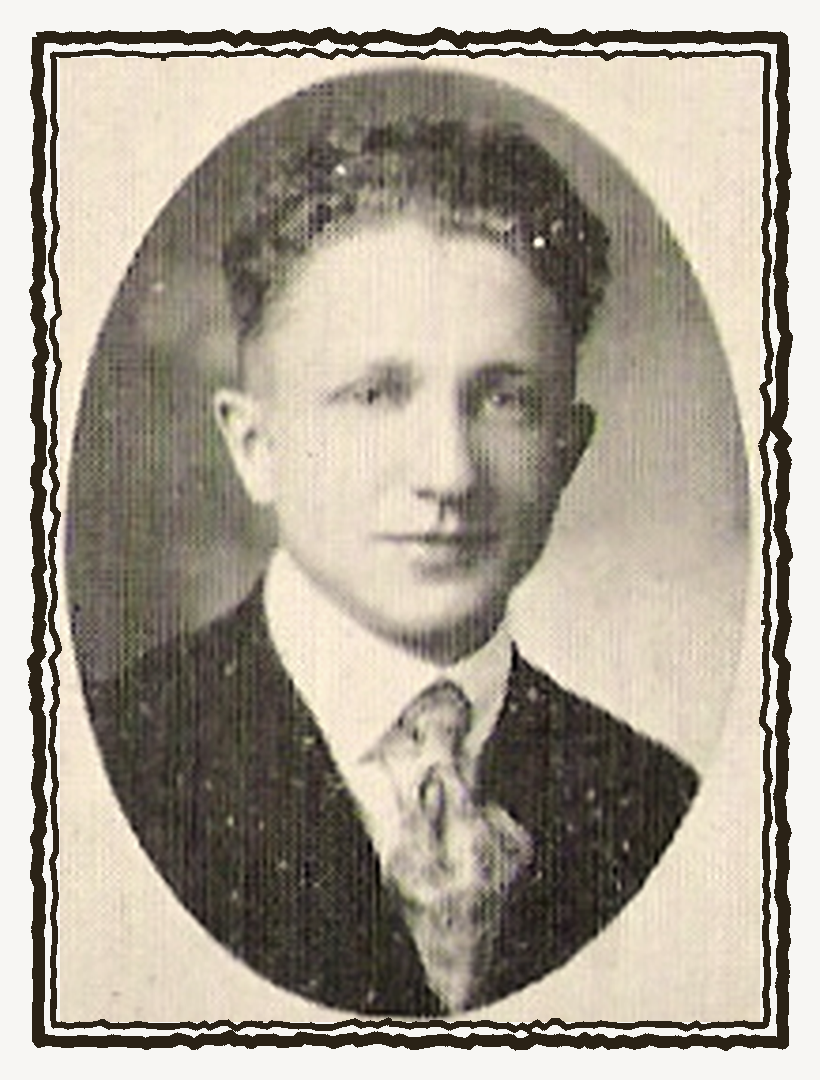
George Kingsley Zipf (1902-1950) showed that in language, cities, and much of human activity, a few things happen a lot and most things happen a little. Plot rank on one axis and frequency on the other and you get a power law. The exponent s is usually near 1: the second item appears about half as often as the first, the third about a third as often, and so on down a long tail.
Physical scenes are the same curve. A handful of objects, weathers, and marked roads carry most of every public dataset. The rest is a long tail that still decides whether a model survives - but you cannot see either end from a highway archive. You see it from events.
That is why the company is called ZipF. The Physical Event Graph is how the law becomes measurable in the real world: every scene written as rank, frequency, place, and class. Own the event stream and you can read the head of the distribution, the tail, and the way they move - which is the asset.